
Art Therapy at Elite PPEC
Through painting, drawing, sculpting, and creative exploration, our art therapy program helps children express emotions they cannot yet put into words, build confidence, and develop fine motor skills in a joyful, pressure-free environment.
What is Pediatric Art Therapy?
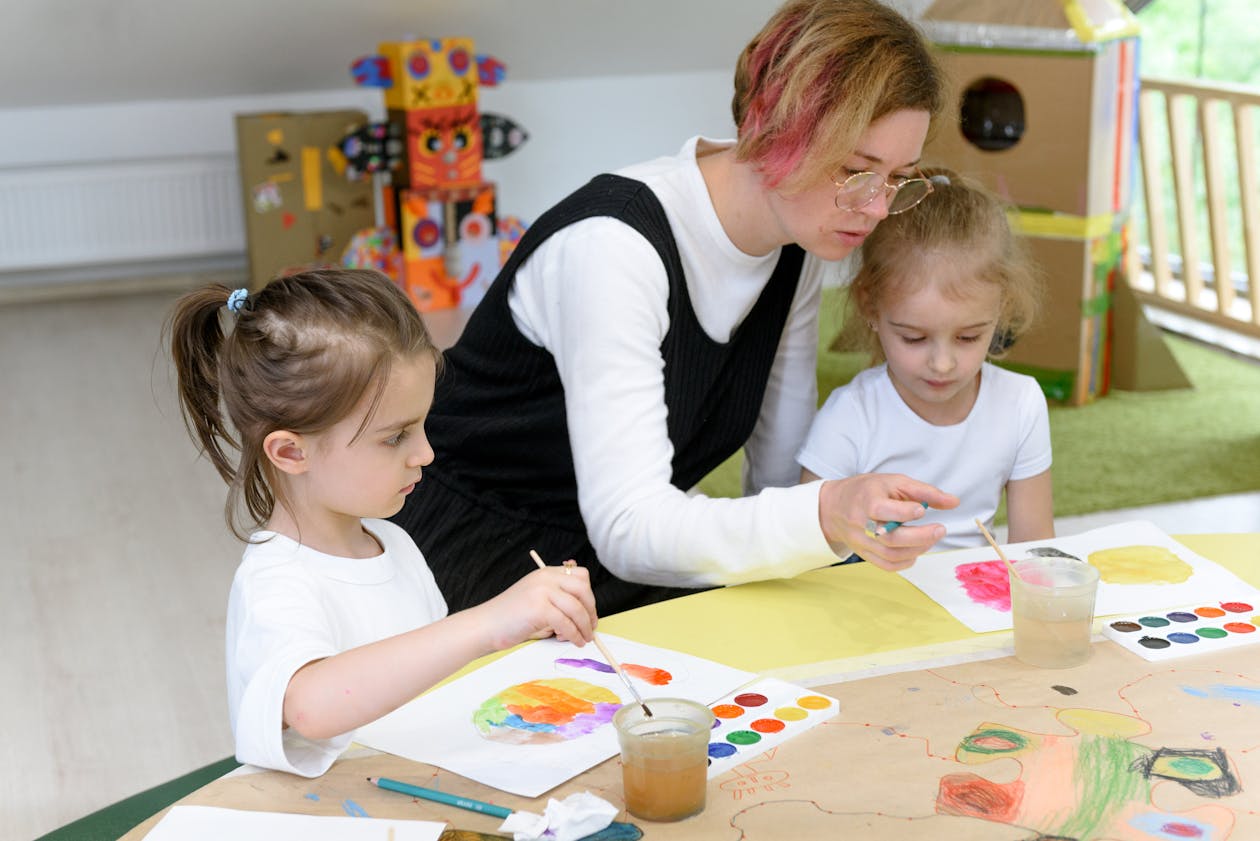
Art therapy is a form of psychotherapy that uses the creative process of making art to improve physical, mental, and emotional well-being. Unlike a typical art class, art therapy is facilitated by a board-certified art therapist who understands how color, texture, form, and creative choice-making reveal a child's inner world. The emphasis is never on producing a "good" piece of art but on the therapeutic value of the creative process itself.
For children with complex medical needs, art therapy offers a unique pathway to emotional expression that does not depend on verbal communication skills. A child who cannot describe their fear of a medical procedure may paint it. A child who struggles with anger can squeeze, pound, and shape clay as a safe outlet. Through these creative acts, children externalize difficult feelings, process traumatic experiences, and develop a sense of mastery and control in a world that often feels overwhelming.
At Elite PPEC, art therapy is adapted to meet each child at their developmental and physical level. For children with limited hand function, we provide adaptive tools like built-up brushes, switch- activated paint dispensers, and stamp pads. For children with visual impairments, we emphasize tactile media like clay, sand trays, and textured collage materials. Every child can participate and benefit, regardless of their physical abilities.
Who Benefits from Art Therapy?
Art therapy at Elite PPEC is beneficial for children across a wide range of diagnoses and developmental levels. Children with autism spectrum disorder often respond exceptionally well to art-based interventions, as visual and tactile activities can be more accessible than verbal approaches. The predictable structure of an art activity (set up, create, clean up) also provides the routine and predictability that many children with autism prefer.
Children who have experienced medical trauma, including repeated hospitalizations, painful procedures, or extended NICU stays, can process these difficult experiences through art in a way that feels safe and child-directed. Art therapy is also particularly valuable for children with anxiety, depression, grief, or adjustment difficulties related to their medical condition. Children with physical disabilities find empowerment in creating something beautiful with their own hands, regardless of physical limitations, building self-esteem and a positive self-image.
Our Approach to Art Therapy
Elite PPEC's art therapy program is guided by both developmental and psychotherapeutic frameworks. Our art therapists assess each child's cognitive, emotional, physical, and sensory profile to determine appropriate media, complexity levels, and therapeutic goals. A treatment plan might focus on emotional regulation through color exploration, fine motor development through cutting and pasting, social skills through collaborative murals, or self-expression through free art-making.
Sessions are structured to provide a balance of therapist-directed activities and child-led exploration. Directive activities might include creating a "feelings collage" to identify and label emotions, painting a self-portrait to explore identity, or building a clay model of a safe place. Non-directive sessions allow the child to choose their own materials and subject matter, giving the therapist insight into the child's current emotional state and processing needs.
Our art therapy space is stocked with a rich variety of materials including tempera and watercolor paints, oil pastels, markers, modeling clay, fabric, beads, natural materials, and recycled objects for assemblage. We carefully select materials that are non-toxic, sensory-friendly, and accessible to children with diverse physical abilities.
Conditions We Treat
- Autism spectrum disorder
- Anxiety and mood disorders
- Medical trauma and PTSD
- Cerebral palsy
- Developmental delays
- Grief and loss
- Fine motor impairments
- Sensory processing disorder
- Visual impairments
- Chronic illness adjustment
- Social skill deficits
- Low self-esteem related to disability
Benefits of Art Therapy at a PPEC
Integrating art therapy into a PPEC setting allows creative expression to become part of the child's daily experience rather than a once-a-week appointment. Our art therapist can observe how a child's emotional state changes throughout the day, noting triggers, responses to medical care, and social interactions that inform treatment planning. If a child becomes distressed during a nursing procedure, the art therapist can offer a calming creative activity to help them regulate afterward.
The PPEC model also enables meaningful collaboration between the art therapist and other team members. An occupational therapist might suggest specific grip patterns to reinforce during art activities. A speech therapist might request that the art therapist incorporate vocabulary targets into creative sessions. A behavioral therapist might collaborate on using art as a reinforcement strategy within a behavior plan. This interdisciplinary synergy amplifies the benefits of every therapy the child receives.
For families, seeing their child's artwork evolve over time provides a tangible, visual record of growth that goes beyond clinical data. Parents often describe how art therapy has helped their child develop a more positive relationship with their own abilities and a greater willingness to try new things, both at the PPEC and at home. Eligible, authorized art therapy services may be covered by Florida Medicaid.
Why Choose Elite PPEC for Art Therapy?
Creative expression that heals, builds confidence, and supports your child's development.
Credentialed Art Therapists
Our art therapists hold board certification (ATR-BC) and specialize in using creative media with children who have complex medical and developmental needs.
Individualized Creative Plans
Art activities and media are carefully selected to match each child's developmental level, interests, and therapeutic goals.
Family Involvement
We share art-based activities and techniques parents can use at home to continue supporting their child's emotional and creative growth.
Progress Tracking
Artwork portfolios and observational assessments document your child's developmental progress and emotional expression over time.
Collaborative Care Team
Art therapists coordinate with OTs, SLPs, and behavioral therapists to reinforce therapeutic goals through creative expression.
Medicaid Coverage
Eligible, authorized art therapy services may be covered by Florida Medicaid. Coverage is verified individually.
Related Services
Elite PPEC offers a full spectrum of therapy and medical services under one roof.
Unlock Your Child's Creative Potential
Art therapy offers a powerful pathway to emotional healing and developmental growth. Eligible, authorized PPEC services may be covered by Florida Medicaid.
Call us at (754) 263-2925